The Rise of Data Visualization and Infographics in Design
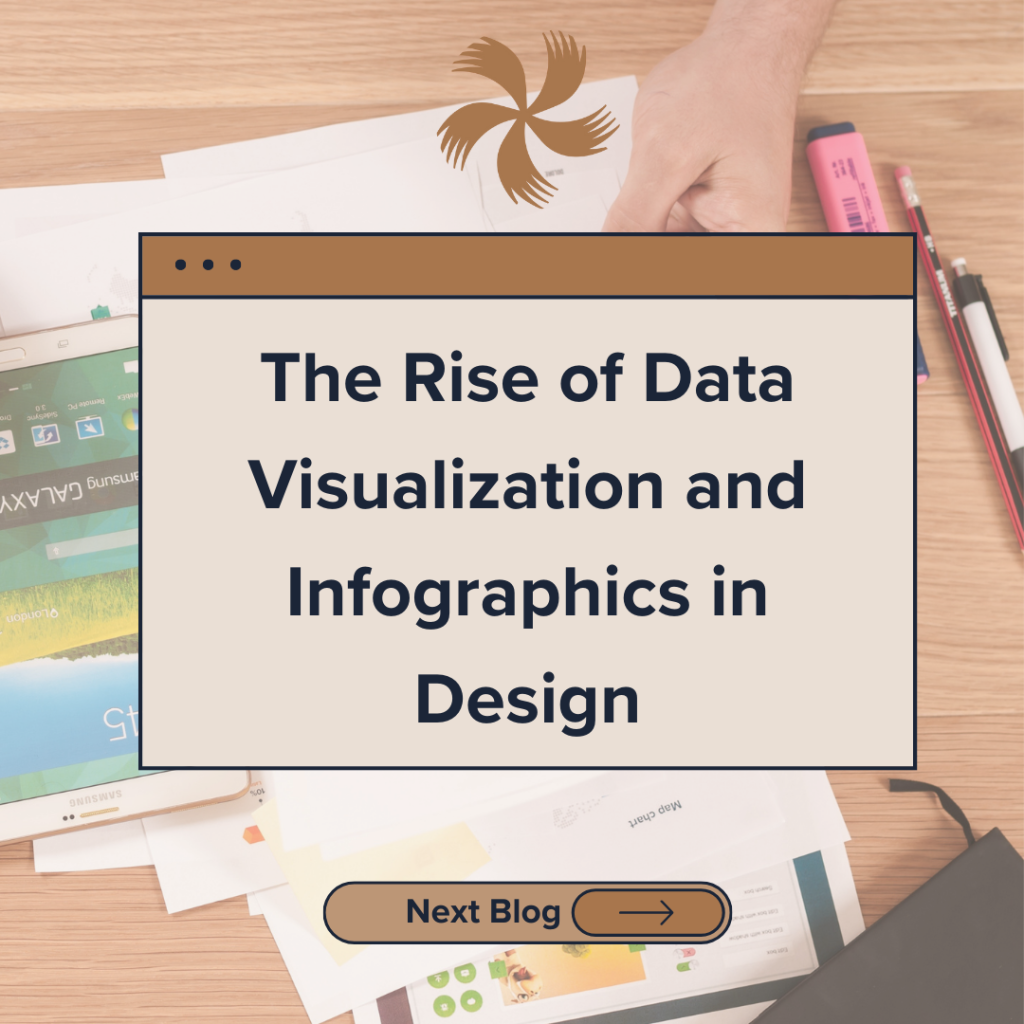
In the digital age, where information is everywhere and attention spans are short, the ability to present data in a compelling and easily digestible format has become crucial. This is where data visualization and infographics come into play. As a design trend, they have surged in popularity, transforming how we communicate complex information. By converting raw data into visually appealing graphics, data visualization and infographics not only make information more accessible but also enhance its impact and retention.
Data visualization is the graphical representation of data, aimed at helping people understand the significance of data by placing it in a visual context. This can include charts, graphs, maps, and other visual tools. Infographics, on the other hand, combine data visualization with narrative and design elements to tell a story. They use a combination of visuals, text, and data to provide a comprehensive overview of a topic in a way that is engaging and easy to understand. This trend is particularly relevant in fields like marketing, journalism, education, and business, where conveying complex data quickly and effectively is essential.
One of the primary reasons for the growing popularity of data visualization and infographics is their ability to make data more relatable and less intimidating. Traditional data presentation methods, such as spreadsheets and reports, can be overwhelming and difficult to interpret. Visualizations, however, leverage the brain’s ability to process visual information more efficiently, making it easier to identify patterns, trends, and outliers. This not only aids in better decision-making but also enhances the overall user experience, making data more interactive and engaging.
Moreover, the rise of social media has further fueled the trend. Platforms like Instagram, Twitter, and LinkedIn are perfect venues for sharing visually appealing content. Infographics, with their combination of informative content and aesthetic appeal, are highly shareable and can easily go viral, reaching a broader audience. Brands and organizations are increasingly using infographics to boost their online presence, engage with their audience, and convey their message more effectively. This visual approach to data storytelling is not just a trend but a powerful tool that is shaping the future of communication.
The trend of data visualization and infographics is more than just a design fad; it is a response to the evolving needs of our information-rich world. By transforming complex data into visually engaging stories, they make information more accessible, memorable, and impactful. As technology continues to advance and the demand for quick, clear communication grows, the importance of these visual tools will only increase, solidifying their place in the landscape of modern design and communication.
Data Visualization
Data Visualization
Data Visualization, Data Visualization, Data Visualization. Data Visualization, Data Visualization, Data Visualization.
Data Visualization, Data Visualization, Data Visualization. Data Visualization, Data Visualization, Data Visualization.
Data Visualization, Data Visualization, Data Visualization. Data Visualization, Data Visualization, Data Visualization.
Data Visualization, Data Visualization, Data Visualization. Data Visualization, Data Visualization, Data Visualization.
Maintained by Generate Design.
In the digital age, where information is everywhere and attention spans are short, the ability to present data in a compelling and easily digestible format has become crucial. This is where data visualization and infographics come into play. As a design trend, they have surged in popularity, transforming how we communicate complex information. By converting raw data into visually appealing graphics, data visualization and infographics not only make information more accessible but also enhance its impact and retention.
Data visualization is the graphical representation of data, aimed at helping people understand the significance of data by placing it in a visual context. This can include charts, graphs, maps, and other visual tools. Infographics, on the other hand, combine data visualization with narrative and design elements to tell a story. They use a combination of visuals, text, and data to provide a comprehensive overview of a topic in a way that is engaging and easy to understand. This trend is particularly relevant in fields like marketing, journalism, education, and business, where conveying complex data quickly and effectively is essential.
One of the primary reasons for the growing popularity of data visualization and infographics is their ability to make data more relatable and less intimidating. Traditional data presentation methods, such as spreadsheets and reports, can be overwhelming and difficult to interpret. Visualizations, however, leverage the brain’s ability to process visual information more efficiently, making it easier to identify patterns, trends, and outliers. This not only aids in better decision-making but also enhances the overall user experience, making data more interactive and engaging.
Moreover, the rise of social media has further fueled the trend. Platforms like Instagram, Twitter, and LinkedIn are perfect venues for sharing visually appealing content. Infographics, with their combination of informative content and aesthetic appeal, are highly shareable and can easily go viral, reaching a broader audience. Brands and organizations are increasingly using infographics to boost their online presence, engage with their audience, and convey their message more effectively. This visual approach to data storytelling is not just a trend but a powerful tool that is shaping the future of communication.
The trend of data visualization and infographics is more than just a design fad; it is a response to the evolving needs of our information-rich world. By transforming complex data into visually engaging stories, they make information more accessible, memorable, and impactful. As technology continues to advance and the demand for quick, clear communication grows, the importance of these visual tools will only increase, solidifying their place in the landscape of modern design and communication.
In the digital age, where information is everywhere and attention spans are short, the ability to present data in a compelling and easily digestible format has become crucial. This is where data visualization and infographics come into play. As a design trend, they have surged in popularity, transforming how we communicate complex information. By converting raw data into visually appealing graphics, data visualization and infographics not only make information more accessible but also enhance its impact and retention.
Data visualization is the graphical representation of data, aimed at helping people understand the significance of data by placing it in a visual context. This can include charts, graphs, maps, and other visual tools. Infographics, on the other hand, combine data visualization with narrative and design elements to tell a story. They use a combination of visuals, text, and data to provide a comprehensive overview of a topic in a way that is engaging and easy to understand. This trend is particularly relevant in fields like marketing, journalism, education, and business, where conveying complex data quickly and effectively is essential.
One of the primary reasons for the growing popularity of data visualization and infographics is their ability to make data more relatable and less intimidating. Traditional data presentation methods, such as spreadsheets and reports, can be overwhelming and difficult to interpret. Visualizations, however, leverage the brain’s ability to process visual information more efficiently, making it easier to identify patterns, trends, and outliers. This not only aids in better decision-making but also enhances the overall user experience, making data more interactive and engaging.
Moreover, the rise of social media has further fueled the trend. Platforms like Instagram, Twitter, and LinkedIn are perfect venues for sharing visually appealing content. Infographics, with their combination of informative content and aesthetic appeal, are highly shareable and can easily go viral, reaching a broader audience. Brands and organizations are increasingly using infographics to boost their online presence, engage with their audience, and convey their message more effectively. This visual approach to data storytelling is not just a trend but a powerful tool that is shaping the future of communication.
The trend of data visualization and infographics is more than just a design fad; it is a response to the evolving needs of our information-rich world. By transforming complex data into visually engaging stories, they make information more accessible, memorable, and impactful. As technology continues to advance and the demand for quick, clear communication grows, the importance of these visual tools will only increase, solidifying their place in the landscape of modern design and communication.
In the digital age, where information is everywhere and attention spans are short, the ability to present data in a compelling and easily digestible format has become crucial. This is where data visualization and infographics come into play. As a design trend, they have surged in popularity, transforming how we communicate complex information. By converting raw data into visually appealing graphics, data visualization and infographics not only make information more accessible but also enhance its impact and retention.
Data visualization is the graphical representation of data, aimed at helping people understand the significance of data by placing it in a visual context. This can include charts, graphs, maps, and other visual tools. Infographics, on the other hand, combine data visualization with narrative and design elements to tell a story. They use a combination of visuals, text, and data to provide a comprehensive overview of a topic in a way that is engaging and easy to understand. This trend is particularly relevant in fields like marketing, journalism, education, and business, where conveying complex data quickly and effectively is essential.
One of the primary reasons for the growing popularity of data visualization and infographics is their ability to make data more relatable and less intimidating. Traditional data presentation methods, such as spreadsheets and reports, can be overwhelming and difficult to interpret. Visualizations, however, leverage the brain’s ability to process visual information more efficiently, making it easier to identify patterns, trends, and outliers. This not only aids in better decision-making but also enhances the overall user experience, making data more interactive and engaging.
Moreover, the rise of social media has further fueled the trend. Platforms like Instagram, Twitter, and LinkedIn are perfect venues for sharing visually appealing content. Infographics, with their combination of informative content and aesthetic appeal, are highly shareable and can easily go viral, reaching a broader audience. Brands and organizations are increasingly using infographics to boost their online presence, engage with their audience, and convey their message more effectively. This visual approach to data storytelling is not just a trend but a powerful tool that is shaping the future of communication.
The trend of data visualization and infographics is more than just a design fad; it is a response to the evolving needs of our information-rich world. By transforming complex data into visually engaging stories, they make information more accessible, memorable, and impactful. As technology continues to advance and the demand for quick, clear communication grows, the importance of these visual tools will only increase, solidifying their place in the landscape of modern design and communication.
In the digital age, where information is everywhere and attention spans are short, the ability to present data in a compelling and easily digestible format has become crucial. This is where data visualization and infographics come into play. As a design trend, they have surged in popularity, transforming how we communicate complex information. By converting raw data into visually appealing graphics, data visualization and infographics not only make information more accessible but also enhance its impact and retention.
Data visualization is the graphical representation of data, aimed at helping people understand the significance of data by placing it in a visual context. This can include charts, graphs, maps, and other visual tools. Infographics, on the other hand, combine data visualization with narrative and design elements to tell a story. They use a combination of visuals, text, and data to provide a comprehensive overview of a topic in a way that is engaging and easy to understand. This trend is particularly relevant in fields like marketing, journalism, education, and business, where conveying complex data quickly and effectively is essential.
One of the primary reasons for the growing popularity of data visualization and infographics is their ability to make data more relatable and less intimidating. Traditional data presentation methods, such as spreadsheets and reports, can be overwhelming and difficult to interpret. Visualizations, however, leverage the brain’s ability to process visual information more efficiently, making it easier to identify patterns, trends, and outliers. This not only aids in better decision-making but also enhances the overall user experience, making data more interactive and engaging.
Moreover, the rise of social media has further fueled the trend. Platforms like Instagram, Twitter, and LinkedIn are perfect venues for sharing visually appealing content. Infographics, with their combination of informative content and aesthetic appeal, are highly shareable and can easily go viral, reaching a broader audience. Brands and organizations are increasingly using infographics to boost their online presence, engage with their audience, and convey their message more effectively. This visual approach to data storytelling is not just a trend but a powerful tool that is shaping the future of communication.
The trend of data visualization and infographics is more than just a design fad; it is a response to the evolving needs of our information-rich world. By transforming complex data into visually engaging stories, they make information more accessible, memorable, and impactful. As technology continues to advance and the demand for quick, clear communication grows, the importance of these visual tools will only increase, solidifying their place in the landscape of modern design and communication.
In the digital age, where information is everywhere and attention spans are short, the ability to present data in a compelling and easily digestible format has become crucial. This is where data visualization and infographics come into play. As a design trend, they have surged in popularity, transforming how we communicate complex information. By converting raw data into visually appealing graphics, data visualization and infographics not only make information more accessible but also enhance its impact and retention.
Data visualization is the graphical representation of data, aimed at helping people understand the significance of data by placing it in a visual context. This can include charts, graphs, maps, and other visual tools. Infographics, on the other hand, combine data visualization with narrative and design elements to tell a story. They use a combination of visuals, text, and data to provide a comprehensive overview of a topic in a way that is engaging and easy to understand. This trend is particularly relevant in fields like marketing, journalism, education, and business, where conveying complex data quickly and effectively is essential.
One of the primary reasons for the growing popularity of data visualization and infographics is their ability to make data more relatable and less intimidating. Traditional data presentation methods, such as spreadsheets and reports, can be overwhelming and difficult to interpret. Visualizations, however, leverage the brain’s ability to process visual information more efficiently, making it easier to identify patterns, trends, and outliers. This not only aids in better decision-making but also enhances the overall user experience, making data more interactive and engaging.
Moreover, the rise of social media has further fueled the trend. Platforms like Instagram, Twitter, and LinkedIn are perfect venues for sharing visually appealing content. Infographics, with their combination of informative content and aesthetic appeal, are highly shareable and can easily go viral, reaching a broader audience. Brands and organizations are increasingly using infographics to boost their online presence, engage with their audience, and convey their message more effectively. This visual approach to data storytelling is not just a trend but a powerful tool that is shaping the future of communication.
The trend of data visualization and infographics is more than just a design fad; it is a response to the evolving needs of our information-rich world. By transforming complex data into visually engaging stories, they make information more accessible, memorable, and impactful. As technology continues to advance and the demand for quick, clear communication grows, the importance of these visual tools will only increase, solidifying their place in the landscape of modern design and communication.